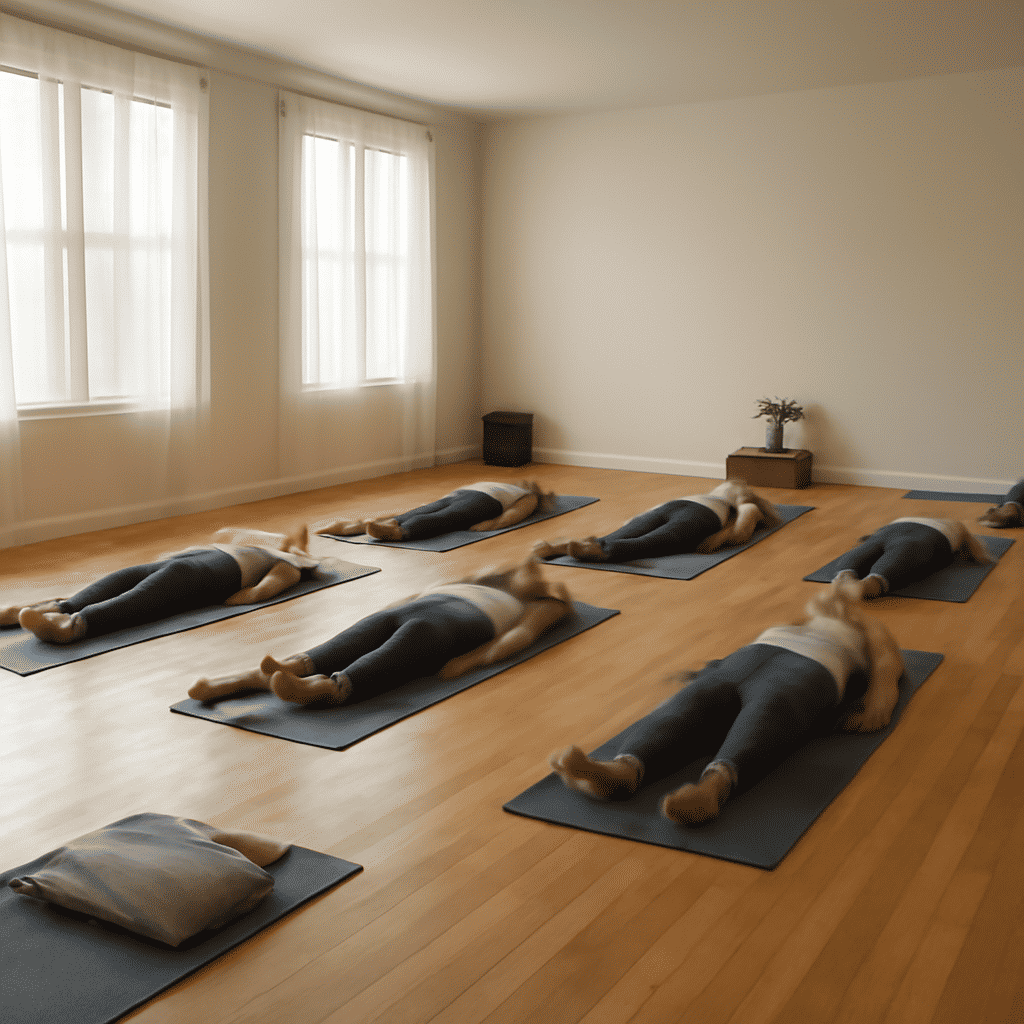
In the realm of yoga, practitioners frequently focus on attaining the flexibility, strength, and balance necessary to master complex poses. However, there is one seemingly simple yoga posture that holds profound significance: Savasana. Known as the resting or corpse pose, Savasana is often placed at the conclusion of a yoga session, allowing the practitioner to absorb the benefits of their practice while cultivating a deep sense of relaxation and introspection.
Though it appears simple, Savasana is far more than just lying still on the mat. It is a powerful method for integrating the physical and mental efforts of the yoga session. This pose provides an opportunity to experience the full pervading effects of yoga, where both body and mind can truly rest and reset.
One of the primary benefits of Savasana is its ability to reduce stress. In today’s fast-paced world, stress is a common adversary. Savasana encourages the release of tension throughout the body, allowing for muscle relaxation made more profound through conscious awareness of the breath. By practicing slow, deep breathing in this pose, individuals can activate their parasympathetic nervous system, resulting in a state of profound relaxation that calms the mind and reduces anxiety.
Moreover, Savasana promotes reflection. Yoga is not solely a physical endeavor; it integrates body and mind, requiring introspection and self-awareness. During Savasana, practitioners have the unique opportunity to observe the sensations within their bodies without judgment or reaction. This practice fosters mindfulness, helping individuals to cultivate a mindset that carries beyond the mat and into everyday life.
In addition, Savasana enhances the bodily systems, promoting various health benefits. It helps to slow the heart rate and decreases blood pressure, improving cardiovascular function. This resting pose also encourages better digestion and supports the body's immune system by promoting healing and recovery. The gentle practice offers space for internal systems to rejuvenate and recover from the stressors of life.
Furthermore, Savasana is an integrative practice that consolidates the physical benefits achieved throughout the yoga session. As it completes the body’s journey from effort to ease, it allows the practitioner to internalize the lessons learned, solidifying the work that has been done. This deep internalization fosters a sense of balance and harmony essential for holistic well-being.
To fully embrace the transformative power of Savasana, it is crucial to approach the pose with intentionality and mindfulness. Finding comfort is essential; lying supine on the mat with the arms relaxed by the sides, palms facing upward, facilitates openness and receptivity. Eyes are gently closed, allowing complete surrender to the moment. The mind should be guided to focus on the breath, using it as an anchor.
In conclusion, the importance of Savasana extends far beyond its simple appearance. By promoting relaxation, reflection, and the integration of physical efforts, this resting pose completes the practice of yoga, ensuring individuals leave the mat with a renewed sense of peace and clarity. In Savasana, the practitioner learns to embrace stillness, an invaluable skill in navigating the complexities of life with serenity and poise.